

What Evidence Needed For Successful Car Accident Lawsuit | Why Does Evidence Matters?
- It’s always up to the victim of an accident to prove they suffered losses. That’s never simple to do, but essential to winning your case.
- Evidence is the tool you have to prove your losses. The more evidence you have, the harder it is for the insurance company to refute your claims.
- There’s lots of evidence available that can support your claim and lawsuit.
- Work with an attorney to gather all of the evidence available, including what you may not realize is available to you.
- Always ensure the accuracy of any claims you make before heading into a trial.
Accidents happen every day, but that doesn’t mean they’re easy to navigate. It’s always up to the victim to prove what happened and who’s at fault. The only real way to do that is with evidence. The more evidence you have, the better.
Evidence is more than just a statement of what happened. It’s documented proof of what occurred, verified in numerous ways. You’ll need to back up all of the claims you make with evidence so insurance companies realize they need to settle.
What Evidence Needed For Successful Car Accident Lawsuit?

It’s up to you to prove who’s at fault and what they owe you. There’s no limit to the type and amount of evidence you can present. Present any information you can to the court to demonstrate the facts of the case. More evidence means less risk of denials.
Police Reports and Official Documentation:
Police at the scene serve as a valuable type of evidence. They’ll gather the details of the accident, including forensics. They’ll use that information to determine fault. It’s typically undisputed evidence trusted by those involved. You can request a copy of a police report from your accident by visiting the police department overseeing the case. Your attorney can pull this for you as well. It is possible to challenge police reports that are missing details. It’s best to let your attorney handle this situation.
Photographs and Videos from the Accident Scene:

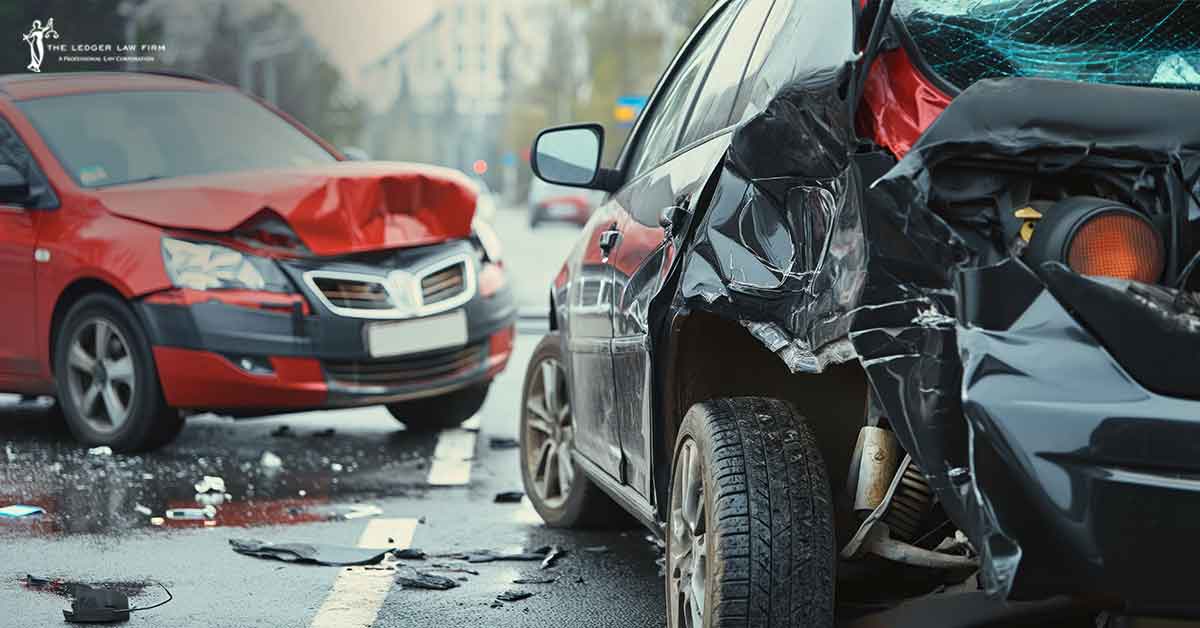
After an accident, take photos and a video of the layout and surrounding areas. That’s going to serve as critical information later. The information in those photos proves fault and losses. They may contradict the claims the other driver makes. The police will take some photos. But when you can, take your own as well. Take photos of the damage to all vehicles as well as to your injuries. Take photos of what you see, such as a driver using their phone behind the wheel.
Medical Records and Treatment Documentation:
Going to the hospital right after an accident demonstrates that the accident caused your injuries. It’s a surefire way to make it clear that this accident led to your injuries. Keep a log of all of your medical care. That includes anything you’ve spent on care and treatment for your injuries.
Witness Statements and Contact Information:
Witnesses are an important resource for sharing details of your accident. Witnesses may see what happened before the accident, such as someone texting on their phone. They are also often the first people at the scene, giving them a clear perspective of what happened. Always ask people who stop to provide their contact information. They can become some of the most important resources available to you.
Expert Testimony and Accident Reconstruction:
Complicated cases often benefit from the inclusion of expert testimony, such as that from doctors who can verify your injuries and the extent of your losses. Accident reconstruction professionals and tools can also provide a valuable resource. They help document what had to happen based on forensics. This proves who’s at fault.
Surveillance Footage and Dashcam Recordings:
It’s hard to dispute video footage. Having a dash camera always works in your favor. It makes it clear what caused the accident. Surveillance footage from area buildings and homes, or from traffic cameras, can also help. If there’s camera footage available, get it. It’s one of the most valuable forms of documented evidence of fault.
Proof of Lost Wages and Other Financial Losses:
Document all of the time you miss at work. That includes bonuses or benefits you lost because you weren’t there. This is valuable evidence to show what your losses are. Paycheck stubs or any documentation from your employer that shows your losses help support your claim. If you have long-term injuries, this data helps support your disability claims as well.
Insurance Communications and Vehicle Repair Estimates:
Always keep a log of all information provided by the insurance company. That includes statements they make about claim value. You’ll likely have your vehicle taken to a local repair shop for repairs. That repair shop will provide you with an estimate for losses. That’s evidence that shows the losses you’ve incurred.
Why Evidence Matters in a Car Accident Claim?
Evidence needed for a motorcycle accident lawsuit or a car accident isn’t optional. Without evidence, it’s your words against those of the other party. Instead, gather as much evidence as you can to show what took place. Evidence that shows fault is always valuable. But that’s not all you need.
Evidence needed to win a car accident lawsuit in Ohio also needs to include documentation of your losses. Putting a value on things like pain and suffering isn’t easy. That’s why having an attorney help you with this process is so important.
1. What Evidence Is Most Important in My Car Accident Lawsuit?
All evidence is important in a car accident lawsuit. Photos and other valid documentation that’s not adjusted or altered are the best type of evidence to win your case.
2. What Are the First Steps to Protect Evidence After a Car Accident?
The first step in protecting evidence after a car accident is to take photos. If it’s safe for you to do so, snap photos of all of the damage you see and around the scene. Even a bumper in the center lane is valuable. These details let the professionals put together a clear indication of what happened. That’s what demonstrates fault.
3. What If I Can’t Take Accident Scene Pictures Immediately?
That’s okay. Write down as much information as you can about the accident. Ask others to take photos. Ask for witnesses to come forward. Your attorney will handle most of these questions.
4. Does My Statement Count as Evidence in Court?
Your statement counts as evidence in court. It’s what’ll be used to determine what happened in the accident. Make sure it’s complete and accurate.
5. What If Key Evidence Is Missing or Disputed After a Car Accident?
Missing evidence can be hard to overcome. But your attorney will look for other sources to document the same losses. If key evidence is missing or disputed, let your attorney work to clarify the details.
6. How Is Liability Proven After a Car Accident?
Liability typically falls on the party that breaks the law and fails to yield the right of way to the other party. Evidence helps demonstrate this.
7. How Is Technology Used to Investigate Critical Evidence for Car Accidents?
Technology can help recreate what happened. It uses evidence from the scene to reconstruct the accident.
8. How Do Car Accident Lawyers Build a Strong Evidence File?
Car accident attorneys gather as much information and evidence as possible. This evidence comes from as many resources as possible to build a complete file.
9. Are Social Media Photos and Comments Admissible as Evidence?
Social media photos and comments are available to use as evidence. If you say you’re not hurt, then that can be used against you. So can the photos you share.
10 What Are the Risks of Providing a Recorded Statement After an Accident?
Recorded statements put you at risk. They can easily be altered to make you sound like you’re agreeing to something that’s not the case.

Emery Brett Ledger brings 28+ years of experience to personal injury law. He founded & led The Ledger Law Firm in securing over $100 million in compensation for clients with life-altering injuries & complex claims. Prior results do not guarantee a similar outcome. Licensed in California, Texas, & Washington, Emery earned his law degree from Pepperdine University School of Law. His practice areas include car & truck accidents, wrongful death, catastrophic injuries, maritime claims, & mass tort litigation. He has been recognized by The National Trial Lawyers’ Top 100, Mass Tort Trial Lawyers Top 25, and America’s Top 100 Personal Injury Attorneys. Emery also received the 2025 Elite Lawyer Award & holds a perfect 10.0 Avvo rating with Platinum Client Champion status. His legal work has been featured on CNN, Forbes, NBC, & ABC.
Free Case Evaluation
Recent Posts
- Punitive Damages in a Car Accident: When Can You Recover Them?
- Tailgating Injury: What Causes Tailgating, Road Rage & How to Stay Safe
- Waiting to Call a Lawyer Can Hurt Your Case: Evidence, Deadlines & Legal Risks
- What Is Property Damage in a Car Accident? Claims, Costs & Who Pays
- Bodily Injury & Property Damage: Coverage, Claims, Liability & Compensation
Emery Brett Ledger brings 28+ years of experience to personal injury law. He founded & led The Ledger Law Firm in securing over $100 million in compensation for clients with life-altering injuries & complex claims. Prior results do not guarantee a similar outcome. Licensed in California, Texas, & Washington, Emery earned his law degree from Pepperdine University School of Law. His practice areas include car & truck accidents, wrongful death, catastrophic injuries, maritime claims, & mass tort litigation. He has been recognized by The National Trial Lawyers’ Top 100, Mass Tort Trial Lawyers Top 25, and America’s Top 100 Personal Injury Attorneys. Emery also received the 2025 Elite Lawyer Award & holds a perfect 10.0 Avvo rating with Platinum Client Champion status. His legal work has been featured on CNN, Forbes, NBC, & ABC.