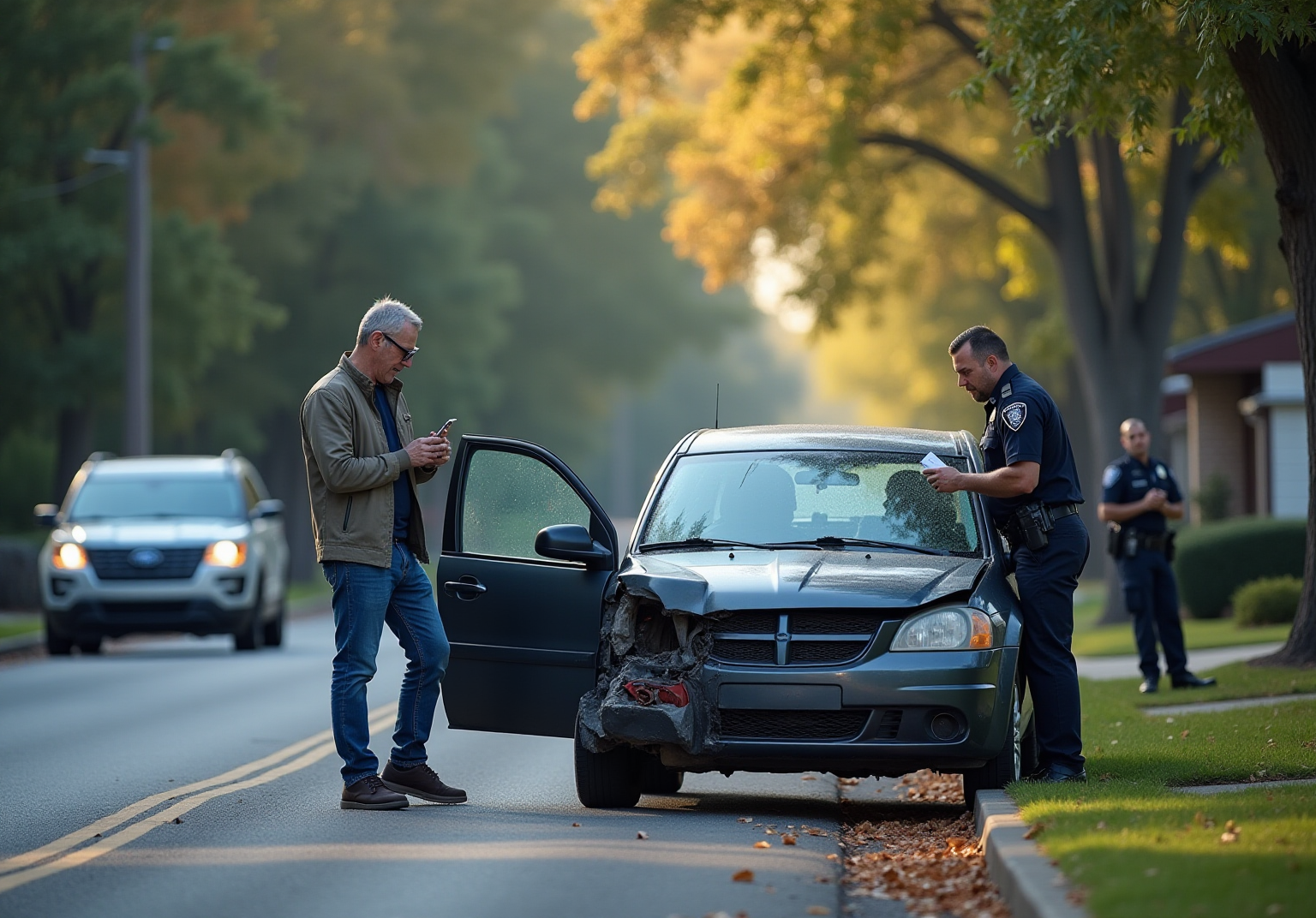
What to Do After a Car Accident: Essential Steps for Victims
Introduction
After a car accident, it’s understandable that the chaos can leave you feeling disoriented and unsure of what to do next. You’re not alone in this; many people find themselves grappling with the immediate aftermath and the pressing questions that arise. What steps can you take to safeguard your rights and well-being? How can you navigate the complexities of insurance claims and legal processes effectively?
This article is here to guide you through those critical steps to take after a car accident. We’ll highlight the importance of prompt action and provide you with the support you need on your road to recovery. Remember, understanding these essential actions not only ensures your personal safety but also lays the groundwork for your legal and financial recovery.
Taking the right steps can feel overwhelming, but with the right guidance, you can find your way through this challenging time. Let’s explore how you can empower yourself and take control of your situation.
Define Immediate Steps After a Car Accident
After a car collision, many people wonder what to do after a car accident, and it’s completely understandable to feel overwhelmed. Your safety and health should be your top priority. Here are some essential steps to guide you through this challenging time:
-
Check for Injuries: First, take a moment to assess yourself and any passengers for injuries. If anyone is hurt, don’t hesitate to call 911 for medical assistance. Timely intervention can be crucial. Did you know that around 40,000 fatalities occur from vehicle collisions each year in the U.S.? This statistic underscores just how important it is to act quickly.
-
Move to Safety: If it’s safe to do so, try to relocate vehicles out of traffic. This simple step can prevent further incidents and ensure everyone’s safety, which is crucial when thinking about what to do after a car accident.
-
Call the Police: It’s essential to report the accident to law enforcement. A police report not only documents the incident but also serves as vital evidence for insurance purposes, which is important for understanding what to do after a car accident. According to the NHTSA, having a police report can significantly aid in establishing fault and supporting your claim.
-
Document the Scene: Take photographs of the accident scene, vehicle damage, and any visible injuries. This documentation can provide crucial evidence for understanding what to do after a car accident when dealing with insurance firms or legal processes. Remember to capture clear photos of all vehicles involved, showing damage from multiple angles.
-
Exchange Information: Collect contact and insurance details from all parties involved, including witnesses. This information is key for follow-up and potential claims.
-
Avoid Admitting Fault: Be cautious with your statements at the scene. Admitting fault can complicate legal proceedings and affect your ability to secure compensation later.
In California, injury victims can seek compensation without limits based on the harms endured, which highlights the importance of these actions. Even if you’re partially accountable for the incident, California’s comparative negligence laws mean you may still be entitled to compensation. A thorough investigation can reveal other parties at fault, such as a defective vehicle part, which could significantly impact your claim.
These measures are not just useful; they reflect what to do after a car accident according to professional advice. Comprehensive documentation and swift action are essential when considering what to do after a car accident. As noted by the Governors Highway Safety Association, addressing accident-related issues requires careful attention to detail and adherence to proper procedures. Remember, you’re not alone in this journey; we’re here for you.
Understand the Importance of Post-Accident Actions
What to do after a car accident can greatly influence your recovery and overall well-being. It’s understandable that this can be a confusing time, but understanding what to do after a car accident can make a significant difference. Here are some key reasons why immediate actions matter:
-
Medical Attention: Seeking prompt medical evaluation is crucial. Many injuries, like internal damage or concussions, might not show symptoms right away. Early diagnosis and treatment can reduce pain and inflammation, leading to better recovery outcomes and helping to prevent long-term complications.
-
Legal Protection: Proper documentation and timely reporting of the accident are essential for safeguarding your rights. This includes submitting a police report, which serves as a vital document in any legal proceedings, and quickly informing your insurance provider to avoid complications that could jeopardize your case.
-
Evidence Preservation: Taking quick actions, such as gathering witness information and snapping photos of the scene, helps preserve important evidence. This evidence can establish fault and support your compensation claims. Delays in these actions can lead to lost evidence and unreliable witness memories, complicating the legal process.
-
Stress Reduction: Knowing what to do after a car accident can ease some of the stress and confusion that often follow an accident. This clarity allows you to focus on your recovery without the added burden of navigating the complexities of legal and insurance matters.
Remember, you’re not alone in this journey. Many people find themselves in similar situations, and it’s okay to seek help. If you’re feeling overwhelmed, consider reaching out for legal assistance. We’re here for you.
Recognize Challenges Faced by Car Accident Victims
Car accident victims often face significant challenges regarding what to do after a car accident, which can hinder their recovery process. It’s understandable that these hurdles can feel overwhelming. Here are some common struggles:
-
Physical Injuries: Many victims sustain serious injuries, such as broken bones, whiplash, and head trauma, necessitating extensive medical treatment and rehabilitation. These injuries can profoundly affect daily activities and overall quality of life. In 2022 alone, there were over 2.6 million emergency department visits for injuries resulting from motor vehicle crashes, underscoring the widespread impact of such incidents.
-
Emotional Trauma: The psychological consequences of a vehicle collision can be severe. Many individuals experience anxiety, depression, and post-traumatic stress disorder (PTSD). Studies indicate that emotional trauma can complicate physical recovery, making it essential for victims to seek psychological support. Many people find themselves feeling overwhelmed by the emotional toll of their experiences, which can manifest in various ways, including nightmares and heightened stress responses.
-
Financial Strain: The financial consequences of a car collision can be staggering. Victims often face mounting medical bills, lost wages due to inability to work, and costs associated with vehicle repairs. In 2022, deaths from crashes resulted in over $470 billion in total costs, highlighting the economic burden that accidents impose on individuals and families.
-
Insurance Complications: Navigating the insurance reimbursement process can be daunting. The complexity of paperwork and negotiations often leaves individuals feeling unsure of their rights. Distracted driving, responsible for about 29% of deadly accidents, can further complicate cases as affected individuals may find it difficult to establish liability.
-
Legal Complexities: Comprehending personal injury regulations is essential for obtaining compensation, yet many individuals find the judicial landscape difficult to traverse without expert assistance. The complexities of submitting claims and the possibility of extended court battles can increase the stress of recovery. It’s crucial for victims to seek experienced representation to learn what to do after a car accident and advocate for their rights.
At The Ledger Law Firm, we understand these challenges deeply. Our clients often express their gratitude for the compassionate support they receive. For example, Tanesha, a car incident client, shared, “My experience with The Ledger Law Firm was phenomenal. Everyone I interacted with was very compassionate, understanding, and caring.” This sentiment is echoed by many, including Christopher, who stated, “Thank God, I called THIS law firm!” Our dedication to client-focused advocacy guarantees that you are regarded as our top priority, making the process less intimidating.
With an award-winning team led by Emery Brett Ledger, we have decades of experience in personal injury law, recognized for our excellence and high client satisfaction. Our clients appreciate that we front all costs, allowing them to focus on recovery without financial strain. Jane, a motorcycle incident client, remarked, “These guys didn’t let me down whatsoever. They did everything they said they would and then some.” At The Ledger Law Firm, we are dedicated to maximizing your compensation and supporting you through every step of your recovery. You’re not alone in this journey.
Navigate Legal and Insurance Processes After an Accident
Knowing what to do after a car accident, including navigating the legal and insurance processes, can feel overwhelming, but you’re not alone in this journey. Here are some key steps to help you through:
-
Notify Your Insurance Company: It’s understandable that after an accident, you might feel shaken. However, it’s crucial to understand what to do after a car accident, including reporting the incident to your insurer as soon as possible. Provide them with all necessary details. Remember, insurance firms are required to acknowledge your request and start an investigation within 15 days of receiving your notification.
-
Gather Documentation: Collecting relevant documents can seem daunting, but it’s an essential step. Make sure to gather medical records, police reports, and photographs from the accident scene. This documentation is vital, especially when considering what to do after a car accident, as around 39.5 million personal injury cases requiring medical treatment occur annually in the U.S., and keeping thorough records can make a significant difference.
-
Many people find themselves unsure of what to do after a car accident, so it’s important to consult a Personal Injury Attorney. Engaging a knowledgeable attorney can help you understand what to do after a car accident and ensure you receive fair compensation. Did you know that statistics show 70% of individuals who submitted a personal injury request received a payout? This highlights the importance of having professional legal assistance by your side.
-
One important aspect of what to do after a car accident is to work with your attorney to submit a request to the at-fault party’s insurance provider. Together, you’ll supply the essential evidence to support your case. In 2021, collision reports were the most frequently submitted type of insurance issue, showing just how common these situations are.
-
Negotiate settlements: It’s common to feel anxious about what to do after a car accident, especially during negotiations with insurance adjusters. Having legal representation can significantly improve your chances of a favorable outcome. While the average duration to resolve car incident claims can vary, understanding the negotiation process is key to maximizing your compensation.
-
Consider what to do after a car accident: If negotiations don’t lead to a satisfactory resolution, your attorney may recommend pursuing a lawsuit. Although only about 3 to 4 percent of personal injury cases actually go to trial, being prepared for this possibility is crucial for your case strategy. Remember, you deserve to seek compensation for your damages.
The Role of Emotional Support in Recovery
Emotional support is vital for anyone recovering from a car collision and understanding what to do after a car accident. It’s understandable that after such a traumatic event, individuals may feel overwhelmed and uncertain about what to do after a car accident. But remember, you’re not alone in this journey. Here are some key aspects to consider:
-
Support Networks: Friends, family, and support groups can provide essential emotional backing, helping victims cope with the aftermath of an accident. Research shows that social support greatly lowers the likelihood of developing post-traumatic stress disorder (PTSD) following trauma. In fact, at least 9% of individuals involved in vehicular incidents experience PTSD. This underscores just how important these connections can be.
-
Therapeutic Interventions: Professional counseling or therapy can assist individuals in processing their experiences and managing symptoms of anxiety or depression. Many people find that engaging in therapies such as cognitive behavioral therapy (CBT) and eye movement desensitization and reprocessing (EMDR) can be effective in treating trauma-related conditions. It’s a step towards healing that can make a significant difference.
-
Community Resources: Numerous communities offer essential resources for those affected by incidents, including support groups and mental health services. Organizations like the Trauma Survivors Network and Road Peace provide platforms for shared experiences and advocacy, fostering a sense of belonging and empowerment. Connecting with others who understand your situation can be incredibly comforting.
-
Holistic Approaches: Engaging in activities such as yoga, meditation, or art therapy can promote emotional healing and resilience. These practices not only enhance mental well-being but also contribute to overall recovery, allowing individuals to reconnect with themselves and their communities. It’s amazing how these activities can help you find peace and strength.
By leveraging these support mechanisms, car accident victims can understand what to do after a car accident to embark on a journey toward emotional recovery and resilience. Remember, seeking help is a sign of strength, and it can greatly improve your chances of a successful recovery. We’re here for you, and together, we can navigate this path.
Conclusion
After experiencing a car accident, it’s understandable that you might feel overwhelmed. Knowing the essential steps to take can significantly influence your recovery and legal standing. Prioritizing safety, documenting the scene, and seeking medical help aren’t just advisable actions; they’re critical components in navigating the aftermath of such an event. By following these steps, you can protect your health and legal rights, ensuring you’re well-prepared for the challenges ahead.
Throughout this article, we’ve highlighted key actions that can make a difference, such as:
- Checking for injuries
- Moving to safety
- Calling the police
- Documenting the scene
- Gathering information from those involved
The importance of these steps cannot be overstated, as they lay the groundwork for a smoother recovery process and legal resolution. Many people find themselves facing emotional and financial challenges after an accident, which further emphasizes the necessity of taking immediate action and seeking support.
In conclusion, the journey following a car accident can feel daunting, but remember, you’re not alone in this. Help is available, and it’s important to reach out for legal assistance and emotional support. These resources can greatly enhance your recovery and provide clarity during this confusing time. By taking proactive steps and utilizing available support systems, you can navigate the complexities of post-accident challenges and work towards a brighter, more secure future. We’re here for you.
Frequently Asked Questions
What should I do first after a car accident?
First, check for injuries to yourself and any passengers. If anyone is hurt, call 911 for medical assistance immediately.
Is it important to move vehicles after an accident?
Yes, if it’s safe to do so, relocate vehicles out of traffic to prevent further incidents and ensure everyone’s safety.
Why should I call the police after a car accident?
Reporting the accident to law enforcement is essential as it documents the incident and provides vital evidence for insurance purposes.
What kind of documentation should I gather at the accident scene?
Take photographs of the accident scene, vehicle damage, and any visible injuries. Documenting the scene can provide crucial evidence for insurance claims and legal processes.
What information should I exchange with other parties involved in the accident?
Collect contact and insurance information from all parties involved, including any witnesses. This information is important for follow-up and potential claims.
Should I admit fault at the scene of the accident?
No, be cautious with your statements and avoid admitting fault, as it can complicate legal proceedings and affect your ability to secure compensation later.
How does California’s comparative negligence law affect compensation claims?
Even if you are partially at fault for the accident, California’s comparative negligence laws may still allow you to seek compensation based on the harms endured.
Why is seeking medical attention important after an accident?
Prompt medical evaluation is crucial as some injuries may not show symptoms right away. Early diagnosis and treatment can lead to better recovery outcomes.
How does proper documentation protect my legal rights?
Timely reporting of the accident and submitting a police report are essential for safeguarding your rights and can serve as vital documents in any legal proceedings.
What are the benefits of taking immediate actions after a car accident?
Immediate actions help preserve important evidence, reduce stress, and allow you to focus on recovery without the added burden of navigating legal and insurance complexities.
Free Case Evaluation
Recent Posts
- A Full Process – How To Start A Personal Injury Claim Los Angeles | Attorney For Personal Injury Claims
- Does Surgery Increase Workers’ Comp Settlement? Signs Of Your Increased Worker’s Claim
- Blamed for a Car Accident That Wasn’t My Fault: How to Dispute Liability & Protect Your Claim
- Low Impact Car Accident Settlement: Injuries, Compensation, Proof & Claim Strategies
- How Do Car Accident Settlements Work? A Step-by-Step Guide to the Car Accident Settlement Process