6 mistakes that can hurt a California dog bite claim

The biggest mistakes that can hurt a California dog bite claim are delaying care, losing evidence, assuming liability is automatic, giving an inaccurate account, settling too soon, and missing a deadline. This 2026 guide explains what to do instead when a bite injures you or your child.
- Avoid mistakes that can hurt a California dog bite claim: preserve evidence, document injuries, and check deadlines.
- California Civil Code section 3342 addresses dog-owner liability, but ownership, location, and the circumstances still matter.
- The Ledger Law Firm represents injured people; prepare medical records and incident details for a case evaluation.
- Do not sign a settlement release before understanding the injuries and claims it covers.
Why this matters
A dog bite claim needs more than proof that a dog bit you. You need evidence connecting the incident to your injuries, identifying the responsible parties, and showing how the injuries affected your life.
The Ledger Law Firm represents injured people. A useful case evaluation focuses on your medical needs, available evidence, and legal options—not a promised settlement amount.
This guide addresses California law in 2026, not Washington or Texas law. If the bite happened elsewhere, have a lawyer check that state's rules rather than applying California's deadlines or liability standards.
What makes a strong California dog bite claim in 2026
These are the practical criteria behind the order below. The list prioritizes health, evidence, and decisions that are difficult to reverse; it is not a statistical ranking.
- Medical documentation: Records connect the reported incident, symptoms, treatment, and recovery.
- Identifiable parties: The owner's identity matters, and other parties require a separate legal analysis.
- Preserved evidence: Photos, witnesses, messages, and video help establish what happened.
- Accurate communication: Firsthand facts are more useful than guesses or exaggerated descriptions.
- Informed decisions: Settlement documents and filing deadlines deserve review before you commit.
The six mistakes at a glance
| Mistake | Best next step | Main benefit | Important limitation |
|---|---|---|---|
| Delaying care or leaving symptoms undocumented | Get appropriate medical attention | Protects health and creates treatment records | Medical records alone do not establish liability |
| Losing evidence or owner information | Preserve incident details promptly | Helps reconstruct the bite | Your account still needs support where available |
| Assuming every bite creates the same claim | Check ownership, location, and circumstances | Identifies the applicable legal theory | Owner and landlord liability are different |
| Guessing in statements or online posts | Give accurate, limited factual information | Reduces avoidable inconsistencies | Legitimate information requests still need attention |
| Signing an early settlement release | Review injuries and release terms first | Avoids an uninformed final decision | Waiting alone does not improve a claim |
| Missing the filing deadline | Confirm the applicable deadline early | Protects access to court | Exceptions and special procedures require individual review |
1. Delaying medical care: address your health first
Best next step for injured adults and parents: seek appropriate care and describe the bite accurately. A dog bite can involve puncture wounds, infection concerns, scarring, or injury beneath the skin. A clinician—not an insurance adjuster—should assess your medical needs.
Tell the treating provider when the bite happened, which body parts were affected, and what symptoms you have noticed. Ask about wound care, follow-up, and whether tetanus or rabies assessment is appropriate. Do not wait for an insurer to confirm coverage before seeking necessary care.
If treatment was delayed, explain the actual reason. Do not invent a cleaner timeline. Transportation problems, uncertainty about symptoms, and other circumstances belong in an honest discussion with your lawyer.
Benefits of the safer approach:
- You receive medical assessment rather than relying on assumptions.
- Records document symptoms and recommended treatment.
- Follow-up records show how recovery develops.
Limits: Treatment does not prove who is legally responsible. A gap in care also needs explanation; it does not automatically defeat your claim.
Verdict: Skip waiting for the claim process before addressing your injuries.
2. Losing evidence: save what identifies the dog and incident
Best next step for disputed facts: preserve the details before they become harder to recover. Photograph visible injuries as they change, along with the location and damaged clothing when safe. Keep original files rather than relying only on edited images or social media uploads.
Ask for the dog owner's name and contact information. If someone else was handling the dog, record that person's details too. Save witness contacts, messages about the incident, and any animal-control report information you receive.
If nearby cameras might have captured the bite, identify their locations promptly. Ask a lawyer about preservation requests rather than assuming footage will remain available. Do not enter private property or put yourself near the dog to obtain evidence.
Benefits of the safer approach:
- Photos preserve visible conditions and injury changes.
- Witness contacts provide another potential source of facts.
- Original messages retain context that screenshots can leave out.
Limits: A photograph rarely explains the entire incident. An animal-control report is useful evidence, not a substitute for proving the civil claim.
Verdict: Skip relying on memory as your only record.
3. Assuming liability is automatic: check the California rule
Best next step for identifying responsibility: separate dog-owner liability from claims against other people. California Civil Code section 3342 generally makes a dog owner liable for damages from a bite suffered in a public place or while the injured person is lawfully in a private place. The statute does not require proof that the owner knew about a previous bite or the dog's viciousness.
That rule does not eliminate every factual or legal issue. Ownership, lawful presence, the circumstances of the encounter, and applicable defenses still require review. Describe what happened before the bite, including how you approached the dog and why you were at the location.
A landlord is not automatically responsible because a tenant's dog caused an injury. A claim against a landlord needs a separate legal basis. Likewise, an injury caused by a dog knocking someone down without biting requires a different analysis from the statute's bite-based rule.
Benefits of the safer approach:
- You identify the owner rather than assuming the handler owns the dog.
- You preserve facts about permission and location.
- You avoid treating every potential defendant alike.
Limits: Strict liability is not a guaranteed recovery. Liability and available insurance are separate questions.
Verdict: Skip assuming either that every bite guarantees payment or that no previous bite means no claim.
4. Guessing in statements: distinguish facts from uncertainty
Best next step for insurance communications: be accurate without filling gaps in your memory. Write down your recollection while it is fresh. Separate what you personally saw from what someone told you afterward.
Do not guess about the dog's history, your future recovery, or why the owner acted a certain way. If you do not know an answer, say so. Correct a genuine error promptly instead of trying to make later statements fit it.
Before giving a recorded statement to another party's insurer or signing a broad medical authorization, understand the request and discuss it with counsel. Your own insurance policy can impose cooperation duties, so ignoring all communications is not a sound alternative.
Benefits of the safer approach:
- A written timeline helps you remember the sequence.
- Clear distinctions between facts and assumptions reduce confusion.
- Keeping correspondence helps your lawyer assess outstanding requests.
Limits: Caution does not justify withholding required information. Deleting existing posts or messages can create evidence-preservation problems; ask counsel before removing material.
Verdict: Skip speculation, exaggeration, and public arguments about the claim.
5. Signing too early: understand what a release ends
Best next step for settlement decisions: review your injuries and the proposed release before signing. An early offer can arrive before you understand follow-up care, scar treatment, work restrictions, or lasting symptoms. The offer's timing does not tell you whether its terms fit your situation.
A settlement release generally ends the claims it covers. Read who is being released and which claims are included. Do not assume you can reopen a settled claim because treatment later becomes more complicated.
Ask about medical bills, potential reimbursement obligations, attorney fees, and case expenses before deciding. Contingency attorney fees and case costs are different. The written agreement should explain how each is handled, including responsibility for expenses if there is no recovery.
Benefits of the safer approach:
- You assess the offer against documented injuries and losses.
- You understand the release rather than focusing only on payment.
- You ask what deductions or obligations affect the final proceeds.
Limits: Waiting does not guarantee a better offer. No lawyer can promise a result or calculate an accurate settlement from the bite description alone.
Verdict: Skip signing a release you do not understand.
6. Missing a deadline: confirm the date that applies to you
Best next step for protecting legal options: get a deadline assessment early. California Code of Civil Procedure section 335.1 generally provides 2 years to file a personal injury lawsuit. The exact deadline depends on the claim and facts; an insurance claim is not the same as filing a lawsuit.
For a bite in 2026, do not simply put a distant reminder on your calendar and wait. A potential claim involving a public entity can require a separate government claim, generally within 6 months for a personal injury claim under Government Code section 911.2. Government-related cases also require an analysis of the applicable liability rules.
A child's claim can involve minority tolling under Code of Civil Procedure section 352, but exceptions and separate procedures matter. Parents should not assume every deadline waits until adulthood, especially where a public entity is involved.
Benefits of the safer approach:
- You distinguish insurance negotiations from court filing requirements.
- You identify special notice procedures before relying on the general rule.
- You give counsel time to investigate the responsible parties.
Limits: Deadline exceptions are not a planning strategy. A report to animal control does not replace a required lawsuit or government claim.
Verdict: Skip relying on ongoing negotiations to protect the filing deadline.
How these mistakes are ranked
Medical care comes first because your health takes priority. Evidence comes next because preserving facts supports later decisions; statements, settlement terms, and deadlines then determine how you protect and pursue the claim. This order is practical guidance, not a prediction about which issue controls your case.
What should you do now?
Start with care, preserve the records you have, and arrange an individual case evaluation. You do not need a perfectly organized file before speaking with a lawyer. Bring what exists and identify what remains uncertain.
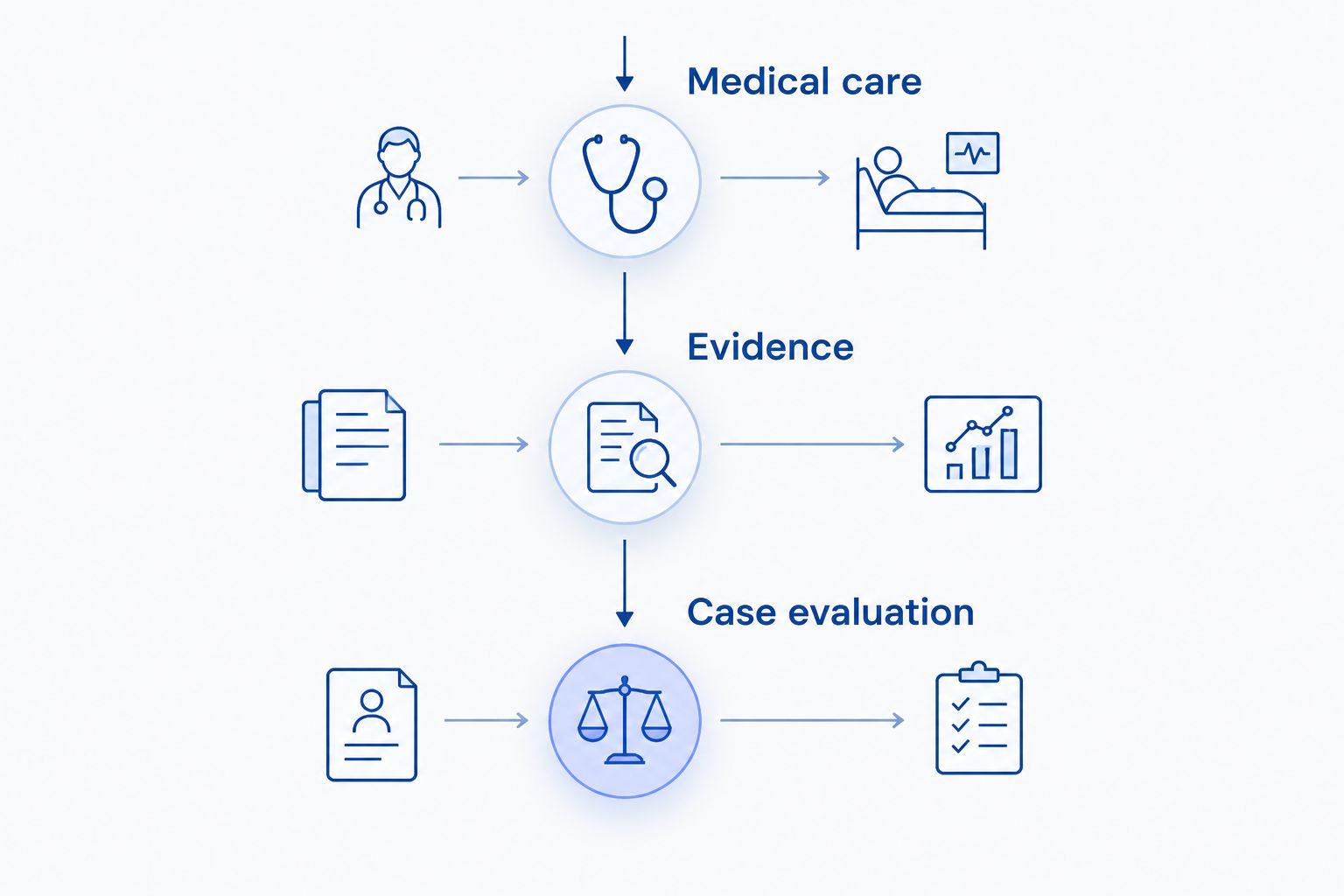
Use this short preparation sequence:
- Medical care: Gather discharge instructions, provider details, and follow-up recommendations.
- Evidence: Save photos, witness contacts, owner information, and incident correspondence.
- Case evaluation: List your questions about responsibility, deadlines, fees, expenses, and settlement requests.
Keep 1 written timeline that separates the incident, medical visits, and insurance communications. Update it with dates rather than rewriting earlier entries to match later information.
The Ledger Law Firm represents injured people across California, Washington, and Texas. For a California dog bite inquiry, identify the California location clearly so the discussion addresses the correct jurisdiction.
Discuss your California dog bite injury
Share the incident details and ask about evidence, deadlines, attorney fees, and case expenses.
FAQ
What are the biggest mistakes that can hurt a California dog bite claim?
Delaying care, losing evidence, assuming liability, giving inaccurate statements, signing an uninformed release, and missing deadlines can hurt a California dog bite claim. Prioritize treatment, preserve records, and get advice about the facts of your case.
Does a California dog need a previous bite before its owner is liable?
California Civil Code section 3342 does not require proof of a previous bite or the owner’s knowledge of viciousness for the bite liability it describes. Ownership, location, lawful presence, and other circumstances still matter.
How long do I have to file a California dog bite lawsuit in 2026?
California generally allows 2 years for a personal injury lawsuit under Code of Civil Procedure section 335.1. Public-entity procedures, minority, and other circumstances can change the analysis, so confirm the deadline for your specific claim.
Should I accept the first insurance offer after a dog bite?
Do not accept an offer until you understand your injuries and the release terms. Review treatment needs, documented losses, reimbursement obligations, fees, and expenses before deciding.
What should I save if my child was bitten in California?
Save injury photos, medical records, owner information, witness contacts, and incident reports. Also document changes in sleep, school participation, and daily activities accurately, without coaching your child.
Can I still pursue a claim if I waited to get treatment?
A treatment delay does not automatically end a California dog bite claim. Explain the reason honestly and obtain appropriate care; the evidence must still connect the incident to the injuries claimed.
What should I ask The Ledger Law Firm during a case evaluation?
Ask about potential responsibility, evidence to preserve, filing deadlines, attorney fees, and case expenses. Explain where the bite happened, what treatment you received, and whether anyone has requested a statement or settlement release.
One last thing
A puncture wound can close while the legal questions remain unresolved. Keep documenting follow-up treatment and the actual effect of the injury, even when the original wound looks better.
For your 2026 claim file, preserve originals and add dated updates. Honest, consistent documentation is more useful than a polished account that leaves out difficult facts. This article provides general California information, not advice about your individual claim.
Related guides
- What parents should save after a child is bitten in California
- When a California landlord can be liable for a tenant's dog bite
- What a California family should bring to a wrongful death lawyer

Emery Brett Ledger brings 28+ years of experience to personal injury law. He founded & led The Ledger Law Firm in securing over $100 million in compensation for clients with life-altering injuries & complex claims. Prior results do not guarantee a similar outcome. Licensed in California, Texas, & Washington, Emery earned his law degree from Pepperdine University School of Law. His practice areas include car & truck accidents, wrongful death, catastrophic injuries, maritime claims, & mass tort litigation. He has been recognized by The National Trial Lawyers’ Top 100, Mass Tort Trial Lawyers Top 25, and America’s Top 100 Personal Injury Attorneys. Emery also received the 2025 Elite Lawyer Award & holds a perfect 10.0 Avvo rating with Platinum Client Champion status. His legal work has been featured on CNN, Forbes, NBC, & ABC.
Free Case Evaluation
Recent Posts
Emery Brett Ledger brings 28+ years of experience to personal injury law. He founded & led The Ledger Law Firm in securing over $100 million in compensation for clients with life-altering injuries & complex claims. Prior results do not guarantee a similar outcome. Licensed in California, Texas, & Washington, Emery earned his law degree from Pepperdine University School of Law. His practice areas include car & truck accidents, wrongful death, catastrophic injuries, maritime claims, & mass tort litigation. He has been recognized by The National Trial Lawyers’ Top 100, Mass Tort Trial Lawyers Top 25, and America’s Top 100 Personal Injury Attorneys. Emery also received the 2025 Elite Lawyer Award & holds a perfect 10.0 Avvo rating with Platinum Client Champion status. His legal work has been featured on CNN, Forbes, NBC, & ABC.